
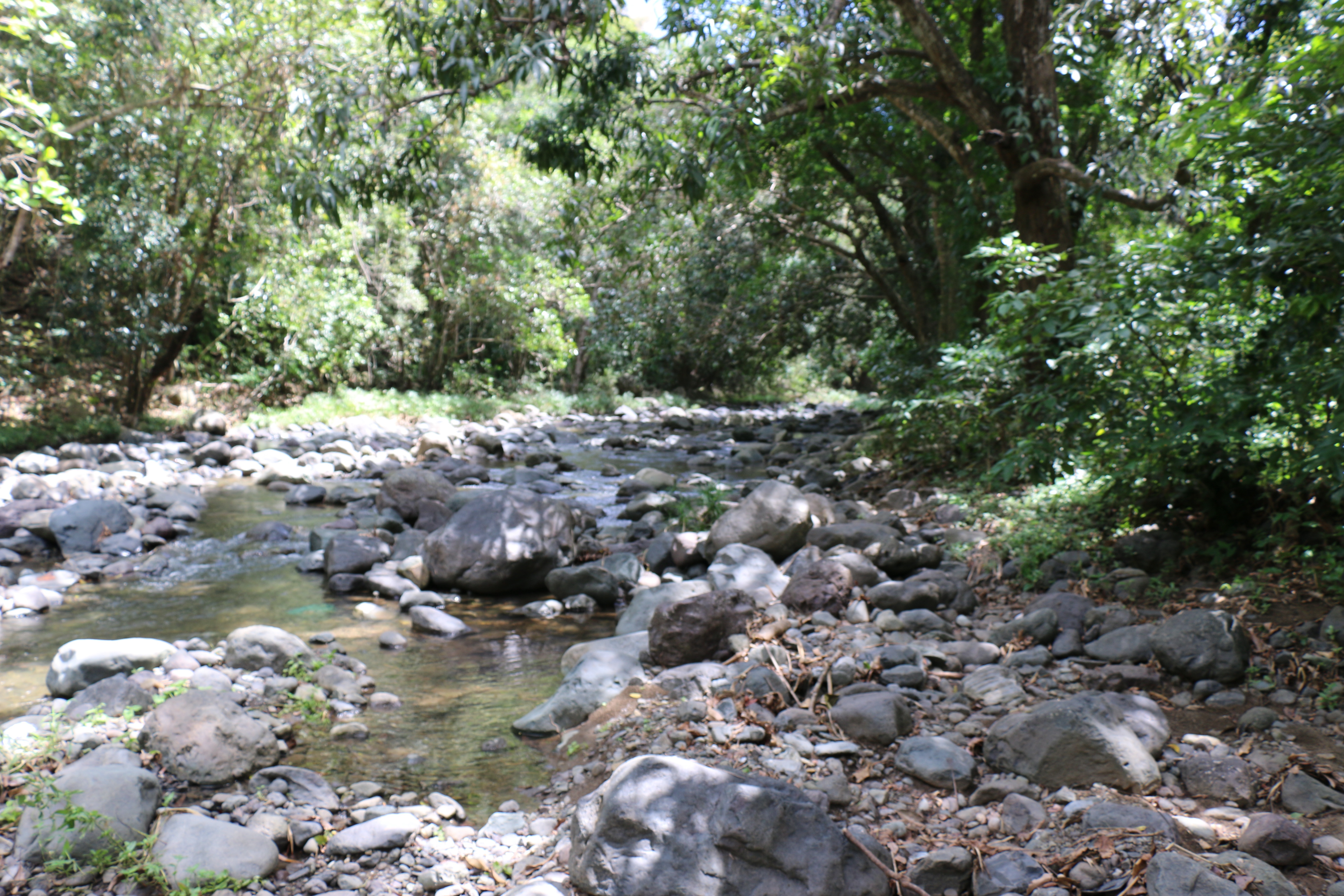
Oscar Luis Martínez’s journey begins in the tropical highlands of Maragüez, Puerto Rico, where color and rhythm defined the landscape of his childhood. There, surrounded by mountains, rivers, and the scent of rain, he discovered the quiet magic of drawing. Art was not yet a career—it was survival, a way to translate feeling into form.
At thirteen, Martínez’s world shifted. His mother moved the family to Chicago in search of stability after divorce, trading the lush island for concrete and winter skies. He arrived unable to speak English and was placed three grades behind, yet he quickly revealed the determination that would define his life. By night, he helped his mother wash dishes; by day, he studied relentlessly, defying expectations and mastering a new language through persistence and curiosity.
In high school, he became vice president of Aspira, a leadership program for Puerto Rican youth, and painted murals with John Weber of the Chicago Mural Group—early acts of activism that gave visual form to cultural pride. Those experiences cemented his belief that art and community are inseparable.
Accepted into the University of Illinois, he pursued Medical Art—a discipline uniting science and creativity. When advised to drop classes, he refused; instead, he graduated with honors, earning a Bachelor of Science and a profound understanding of the human body as both anatomy and metaphor.
Later, at the University of Illinois Medical Center, he was one of only seventeen students admitted to the prestigious Biomedical Visualization program. After graduation, Martínez’s path led him to the University of Illinois College of Dentistry, where he noticed a striking absence of Latino students. He began mentoring, recruiting, and designing initiatives that opened doors for hundreds of underrepresented youth. Over twenty-five years, he rose to become Director of the Urban Health Program and was later honored with the title Faculty Emeritus for his lifelong service.
Beyond academia, Martínez became a civic force. He served on boards including United Way, the Chicago Latino Theater, and the Department of Cultural Affairs, shaping arts policy and supporting cultural equity. His leadership earned him induction into Leadership Greater Chicago, the city’s premier civic fellowship.
Yet through every chapter, painting remained his truest language. His series—Metamorphosis, Resemblances, Borikén, and Between Memory and Metamorphosis—merge mysticism, ancestral memory, and transformation. His canvases, populated with hybrid beings and sacred symbols, blur the line between myth and modernity. A recurring theme is rebirth: the self emerging through color, movement, and decay into hope.
When a fire nearly destroyed the Humboldt Park museum he helped found, Martínez led its rebuilding, securing millions in funding. For this, he received the Raíces Award, joining the ranks of figures like Rita Moreno and Lin-Manuel Miranda.
In parallel, his teaching extended to children. Drawing from the Reggio Emilia philosophy, he taught art as discovery—where science meets wonder. At Chicago Grammar School, his cross-disciplinary projects inspired students to see that creativity and learning are one.
His two children reflect his legacy: his son, a Bill Gates Scholar with a master’s degree; his daughter, a master of art in fiber arts. Both continue his belief that knowledge and imagination are inseparable.
Today, in his Chicago studio, Martínez paints full-time, guided by sincerity, discipline, and the conviction that art can heal and reveal. His story is one of persistence, heritage, and the transformative power of vision.